🌿 501c3 Educational Nonprofit | Promoting individual & collective action for a sustainable world | Join the monthly newsletter →

GoGreenLocally
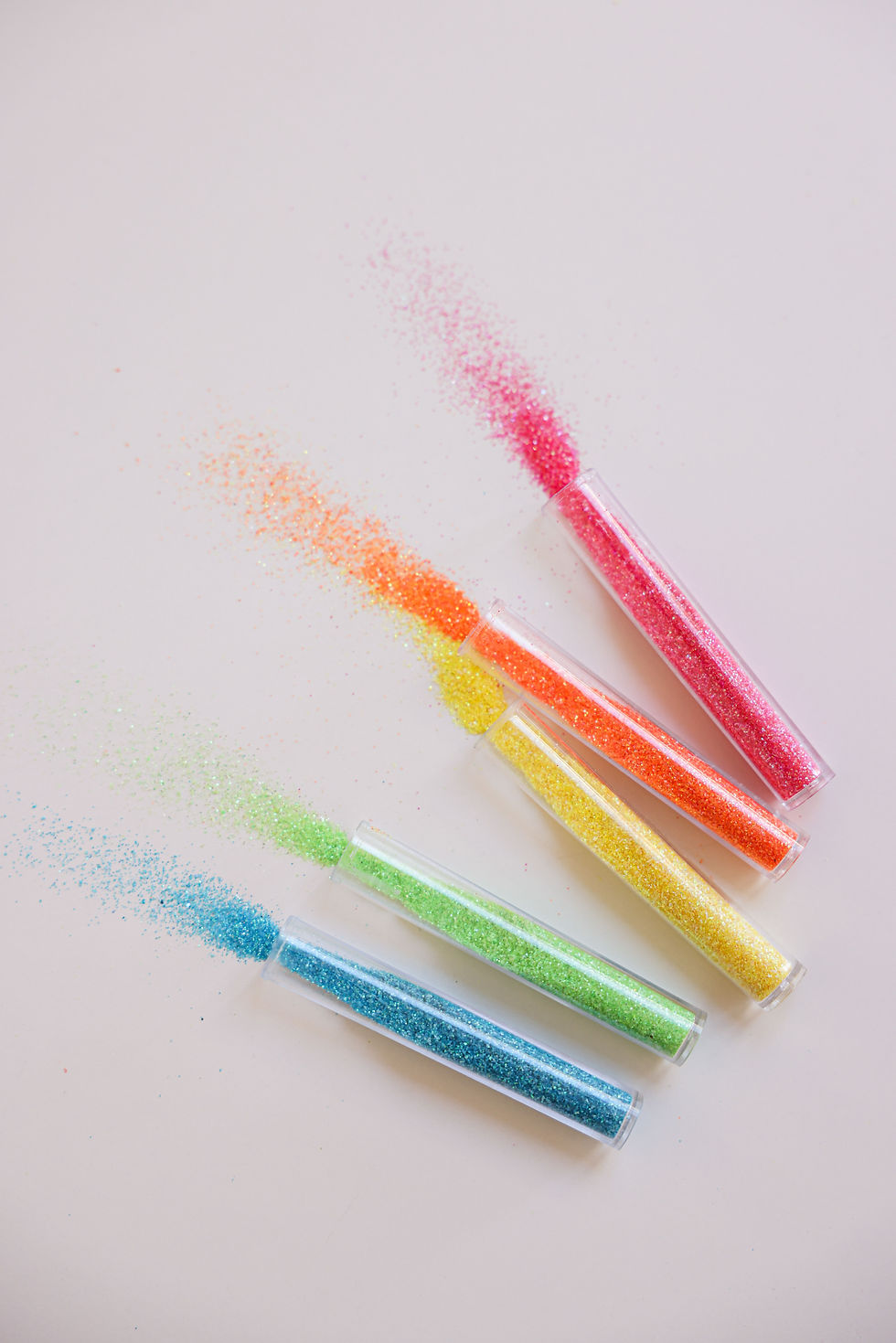
Traditional craft glitter
Decorative Materials
Sustainability:
The production of traditional glitter contributes to carbon emissions and uses non renewable resources, and also adds microplastics to the environment.
Potential Chemical Exposure:
Traditional glitter contributes to microplastic exposure.
Safe Handling Recommendations:
When using traditional glitter, work in a well ventilated area and try to spill as little as possible to prevent particles flying around. Wear a mask and gloves to ensure microplastic exposure is minimized.
Eco-Friendly Alternatives:
There are many homemade options for glitter, such as sugar, epsom salts, and even sand mixed with food coloring to get a similar effect, or biodegradable glitters.
Sources - DIY or Retail:
Many online stores sell biodegradable glitter and there are plenty of recipes for homemade natural glitter as well.